Temporary exhibition at the Budapest History Museum, Castle Museum | 19 June 2025 to 26 October 2025
A forgotten yet influential figure in the history of Hungarian art, Giacomo Marastoni, known in Hungary as Jakab Marastoni, was an Italian-born painter and art educator. The large-scale temporary exhibition of the Budapest History Museum, Castle Museum, presents for the first time to the public the rich oeuvre of Marastoni, which is significant both for nineteenth-century Hungarian portrait painting and for the development of art education in Hungary.
An Italian who found a home in Pest and who founded an art academy, Giacomo Marastoni (1804–1860) was one of the key figures of the mid-nineteenth century. He arrived in Hungary from Venice and remained here until his death. Through his artistry, organisational skills and innovative spirit, he became not only an important figure of portrait painting during the Reform Era but also one of the founders of higher art education in the country.
 Marastoni studied at the Academy of Fine Arts in Venice. After spending time in Vienna and in Pressburg, which is today called Bratislava, he moved to Pest in 1836. In Nagyhíd Street, on the third floor of a house designed by József Hild, in 1846 he established at his own expense the First Hungarian Academy of Painting. At that time there was no state-funded art education in Hungary. Among his students were Mihály Szemlér and Károly Lotz, who later became important figures in Hungarian art.
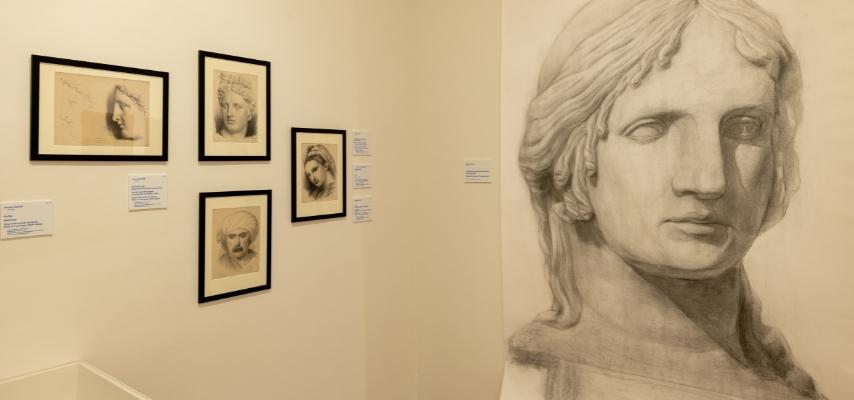
The exhibition guides visitors through an extraordinary life journey from Venice to Pressburg and then to Pest, presenting Marastoni’s family, studies, career as a painter and career as a teacher. His art education activities were based on classical academic values, and his curriculum and teaching tools, such as plaster casts and engravings brought from Italy, followed the best European models of the period. The exhibition also shows how Marastoni became a key figure in the cultural life of Pest and how he influenced the artistic life of the time.
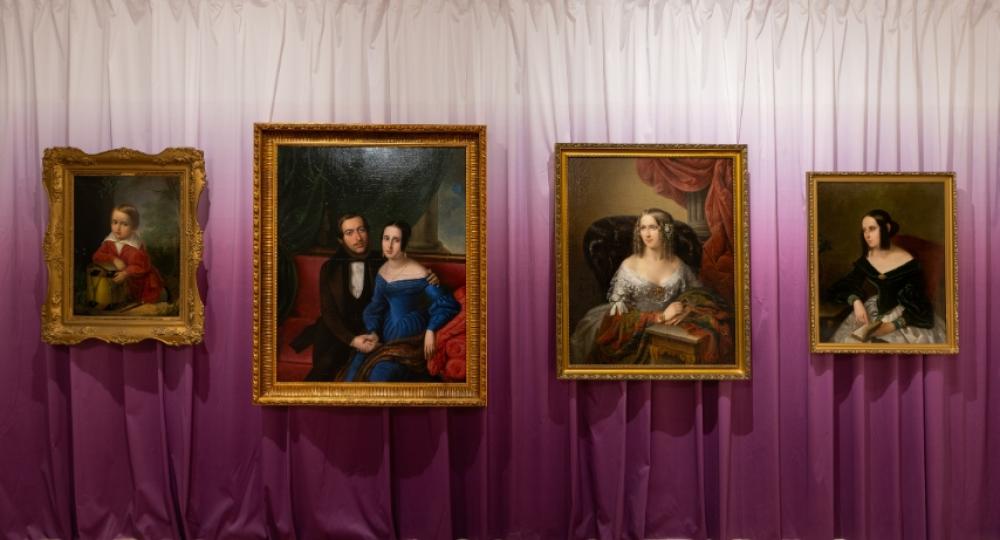
He was a master of portrait painting and was regarded, together with Miklós Barabás, as one of the two most important portrait painters of the Reform Era. He was also interested in new technologies. He is known as one of the pioneers of daguerreotype photography in Hungary.
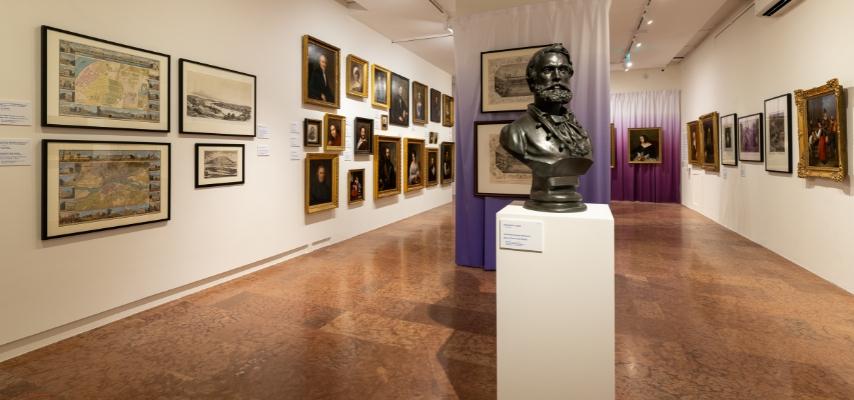
This is the first exhibition to provide a comprehensive overview of the work of Jakab Marastoni. In addition to the Budapest History Museum’s own collection, the Museum of Fine Arts and Hungarian National Gallery, the Hungarian National Museum, as well as several regional and foreign public collections have contributed to the exhibition. Among the 240 works on display is a special family portrait from the Bratislava City Gallery, which has never before been shown in Budapest, as well as the Kiscell Museum’s collection of nearly 60 study drawings, also being presented to the public for the first time.
 The exhibition is the result of six years of research and tells not only the story of a painter but also the story of an entire era. It presents the life of a man who created at the meeting point of several nations and cultures, and whose work has left a lasting mark on the history of Hungarian art.
The exhibition is open from 19 June 2025 to 26 October 2025, daily from 10 a.m. to 6 p.m. at the Budapest History Museum, Castle Museum.
Curators: Dr. Péter Farbaky and Eszter Molnárné Aczél.